
Best Magnesium for Sleep: Which Form Helps You Sleep Better?
Magnesium is one of the most popular natural supplements for improving sleep. It supports relaxation, reduces stress response, and helps regulate the nervous system. Because magnesium plays a role in melatonin production and muscle relaxation, many people use it to improve sleep quality.
However, different forms of magnesium work differently. Choosing the right type can significantly affect results.
Here is what science says about the best magnesium for sleep.
Why Magnesium Helps Sleep
Magnesium supports sleep by:
- Activating GABA (calming neurotransmitter)
- Supporting melatonin production
- Relaxing muscles
- Reducing stress response
- Supporting nervous system balance
Low magnesium levels may contribute to insomnia, nighttime waking, and poor sleep quality.
See: Magnesium for Sleep.
Best Forms of Magnesium for Sleep
⭐ Magnesium Glycinate — Best Overall for Sleep
Magnesium glycinate is widely considered the best magnesium form for sleep.
Benefits:
- Highly absorbed
- Calming effect
- Gentle on digestion
- Supports relaxation and anxiety reduction
Best for:
✔ Difficulty falling asleep
✔ Stress-related insomnia
✔ Nighttime anxiety
⭐ Magnesium L-Threonate — Best for Brain Relaxation
Benefits:
- Supports brain function
- May improve cognitive relaxation
- Supports nervous system balance
Best for:
✔ Racing thoughts
✔ Mental tension at night
⭐ Magnesium Taurate — Best for Stress + Heart Calm
Benefits:
- Contains taurine (calming amino acid)
- Supports nervous system regulation
- Supports relaxation
Best for:
✔ Stress-related sleep problems
⚖ Magnesium Citrate — Good but Not Ideal
Benefits:
- Well absorbed
- Affordable
Downside:
- May cause digestive effects
- Less calming than glycinate
How Much Magnesium for Sleep?
Typical dosage:
- 200–400 mg daily
- Take 1–2 hours before bedtime
- Take with food
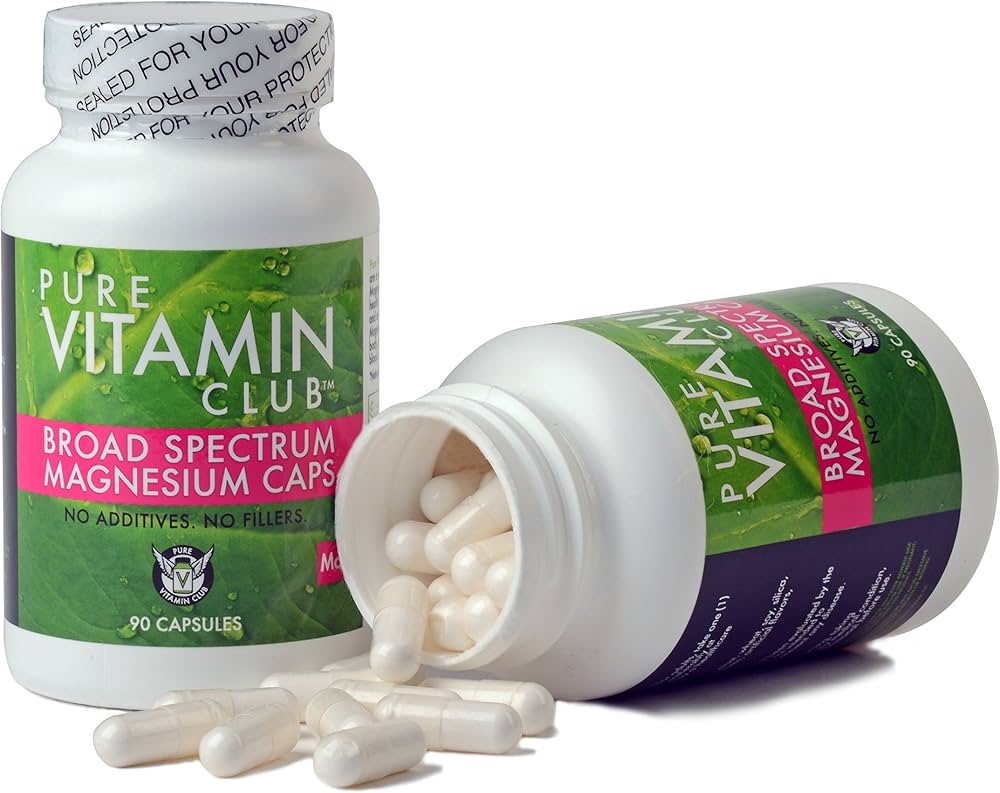
See Magnesium Dosage: How Much Should You Take Daily?.
Who Should Use Magnesium for Sleep?
Magnesium may help if sleep problems are linked to:
- Stress or anxiety
- Muscle tension
- Low magnesium intake
- Poor diet
- Nervous system overactivity
Safety and Side Effects
Magnesium is generally safe but may cause:
- Digestive discomfort
- Diarrhea (especially citrate)
Final Thoughts
Magnesium glycinate is typically the best choice for sleep because of its calming effects and high absorption. Choosing the right form and maintaining consistent use may improve sleep quality and relaxation.
Magnesium plays a crucial role in sleep regulation, nervous system balance, and muscle relaxation. But not all magnesium supplements are equally effective for improving sleep quality.
In this guide, we break down:
- The best type of magnesium for sleep
- What dosage works best
- What to avoid
- The top magnesium supplements worth considering
If you struggle with difficulty falling asleep, nighttime anxiety, or waking up at 3AM, choosing the right magnesium form matters.
Last updated: March 2026
Why Magnesium Helps With Sleep
Magnesium supports sleep in several scientifically supported ways:
1. Activates GABA
Magnesium helps regulate GABA, the brain’s primary calming neurotransmitter. GABA slows brain activity and prepares the body for sleep.
2. Regulates Cortisol
Low magnesium levels are associated with higher stress and elevated cortisol. Balanced magnesium levels may support a healthier nighttime stress response.
3. Supports Muscle Relaxation
Magnesium helps regulate muscle contractions. Deficiency may contribute to restlessness or nighttime cramps.
4. Supports Melatonin Production
Magnesium plays a role in regulating melatonin, the hormone that controls your sleep-wake cycle.
What Is the Best Type of Magnesium for Sleep?
Not all forms are ideal.
🥇 Best Overall: Magnesium Glycinate
- Highly absorbable
- Gentle on digestion
- Has calming properties
- Less likely to cause diarrhea
🥈 Good Alternative: Magnesium L-Threonate
- Crosses the blood-brain barrier
- May support cognitive relaxation
⚠️ Not Ideal for Sleep: Magnesium Oxide
- Poor absorption
- Often used as a laxative
Top Magnesium Supplements for Sleep
Below are well-known, widely used magnesium supplements that are often recommended for sleep support.
⭐ 1. Doctor’s Best High Absorption Magnesium (Best Overall)
Form: Magnesium glycinate/lysinate
Best For: Stress-related insomnia and nervous tension
Why It’s a Strong Option:
✔ Highly bioavailable
✔ Gentle on the stomach
✔ Supports muscle and nervous system relaxation
✔ Affordable and widely available
This formula combines glycinate and lysinate forms, which are generally better tolerated than magnesium citrate or oxide.
👉 Check price on iHerb
⭐ 2. NOW Foods Magnesium Glycinate (Best Budget Option)
Form: Magnesium glycinate
Best For: Those looking for value and quality
Why It’s Popular:
✔ Good absorption
✔ Minimal digestive discomfort
✔ Trusted brand reputation
✔ Competitive pricing
This is a straightforward glycinate formula without unnecessary additives.
👉 Check price on iHerb
⭐ 3. Life Extension Neuro-Mag (Magnesium L-Threonate)
Form: Magnesium L-Threonate
Best For: Sleep combined with mental overactivity
Why Consider It:
✔ Designed for brain support
✔ May help with racing thoughts
✔ Well-researched form
This option is more expensive but may benefit individuals whose sleep issues are linked to cognitive stress.
👉 Check price on iHerb
How We Chose These Supplements
We evaluated magnesium supplements based on:
- Form of magnesium (bioavailability matters)
- Ingredient quality
- Brand reputation
- Third-party testing (when available)
- Price-to-value ratio
- Customer feedback trends
We prioritize neutral, evidence-based evaluation rather than hype-driven recommendations.
How Much Magnesium Should You Take for Sleep?
Most adults benefit from:
200–400 mg in the evening
Tips:
- Take 30–60 minutes before bed
- Start with a lower dose if sensitive
- Avoid combining with high-dose calcium
Always consult a healthcare professional if you have kidney issues or take medications.
Who Should Avoid Magnesium Supplements?
Magnesium may not be appropriate if you:
- Have kidney disease
- Take certain diuretics
- Take antibiotics that interact with minerals
- Experience chronic digestive issues
When in doubt, speak with your healthcare provider.
Frequently Asked Questions
Is magnesium glycinate the best for sleep?
Magnesium glycinate is often considered one of the best forms for sleep due to its calming properties and high absorption rate.
How long does magnesium take to work?
Some people notice improvements within a few days, while others may need 2–4 weeks of consistent use.
Can I take magnesium every night?
For most healthy adults, daily use within recommended dosages is generally considered safe.
Can magnesium replace melatonin?
Magnesium works differently than melatonin. Some people use them together, but magnesium supports relaxation rather than directly inducing sleep.
Final Thoughts: Which Magnesium Is Best for Sleep?
For most people, magnesium glycinate offers the best balance of absorption, tolerability, and calming effects.
If your sleep issues are stress-related, muscle-based, or linked to nighttime anxiety, magnesium supplementation may be worth considering as part of a broader sleep hygiene strategy.
Disclosure: This article may contain affiliate links. If you purchase through these links, we may earn a small commission at no extra cost to you.
RELATED GUIDES
Sleep Hygiene Checklist: Simple Steps for Better Sleep Every Night