
Why Do I Have Blisters, Sores or Crusts on My Skin? Common Skin Infections Explained – Cold Sores, Shingles, Chickenpox, Impetigo & Boils
Why Do I Have Blisters, Sores or Crusts on My Skin?
Blisters, sores, crusts, or painful lumps on the skin are among the most common reasons people visit a doctor or pharmacist. Although many skin infections look similar at first, they can have very different causes and treatments.
Some infections are caused by viruses, while others are caused by bacteria. Viral infections such as cold sores, chickenpox, and shingles require different treatment from bacterial infections such as impetigo, boils, and cellulitis. Recognizing the differences is important because some conditions improve on their own, while others require antiviral medicines, antibiotics, or urgent medical attention.
This evidence-based guide explains the symptoms, causes, contagiousness, diagnosis, treatment, prevention, and complications of the most common infectious skin conditions.
Viral vs Bacterial Skin Infections
Skin infections are usually caused by either viruses or bacteria.
Viral Skin Infections
Common viral infections include:
- Cold sores (Herpes simplex virus)
- Chickenpox (Varicella)
- Shingles (Herpes zoster)
Viruses cannot be treated with antibiotics. Some require antiviral medicines.
Bacterial Skin Infections
Common bacterial infections include:
- Impetigo
- Folliculitis
- Boils (furuncles)
- Carbuncles
- Cellulitis
These infections may require antiseptics or antibiotics depending on their severity.
Viral or Bacterial? Comparison Table
| Feature | Viral Infection | Bacterial Infection |
|---|---|---|
| Cause | Virus | Bacteria |
| Examples | Cold sores, shingles, chickenpox | Impetigo, boils, cellulitis |
| Pus | Rare | Common |
| Antibiotics help? | ❌ No | ✅ Often |
| Antiviral medicines help? | ✅ Some infections | ❌ No |
| Fever | Sometimes | Sometimes |
| Contagious | Usually | Often |
Understanding the Herpes Virus Family
Many people think that cold sores and shingles are the same disease.
They are not.
They belong to the Herpesviridae family but are caused by different viruses.
Herpes Simplex Virus (HSV)
HSV causes:
- Cold sores (HSV-1)
- Genital herpes (usually HSV-2, although HSV-1 can also cause genital herpes)
Once a person becomes infected, the virus remains dormant inside nerve cells and may reactivate throughout life.
Varicella-Zoster Virus (VZV)
VZV causes:
- Chickenpox (first infection)
- Shingles (reactivation years later)
After recovering from chickenpox, the virus remains inactive inside nerves.
Years or even decades later, it may reactivate as shingles.
Herpes Simplex vs Varicella-Zoster
| Feature | HSV | VZV |
|---|---|---|
| Causes | Cold sores | Chickenpox and shingles |
| First infection | Cold sores | Chickenpox |
| Remains dormant | Yes | Yes |
| Can reactivate | Yes | Yes |
| Vaccine available | No | Yes |
Cold Sores (Herpes Simplex)
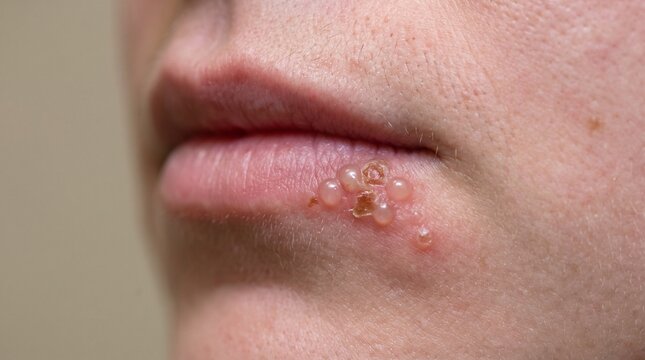
Cold sores, also called fever blisters, are one of the most common viral skin infections.
They are usually caused by Herpes Simplex Virus type 1 (HSV-1).
The first infection often occurs during childhood, although many people never notice symptoms.
After the initial infection, the virus remains dormant inside nerve cells and may reactivate repeatedly throughout life.
Symptoms of Cold Sores
Typical symptoms include:
- Tingling
- Burning
- Itching
- Small grouped blisters
- Pain
- Crusting
- Swollen lymph nodes (first infection)
- Fever (occasionally)
The tingling stage usually begins 12–48 hours before blisters appear.
Cold sores generally heal within 7–14 days.
Why Do Cold Sores Keep Coming Back?
Cold sores may recur when the immune system is temporarily weakened or when certain triggers activate the dormant virus.
Common triggers include:
- Stress
- Fever
- Influenza or common cold
- Sun exposure
- Fatigue
- Menstruation
- Dental treatment
- Reduced immunity
Not everyone experiences recurrent outbreaks.
How Do Cold Sores Spread?
HSV spreads through:
- Kissing
- Oral contact
- Sharing drinks
- Sharing cutlery
- Lip balm
- Towels
- Razors
The virus spreads most easily while blisters are present but can occasionally be transmitted even when no sores are visible (asymptomatic viral shedding).
Chickenpox (Varicella)
Chickenpox is caused by the Varicella-Zoster Virus (VZV).
It mainly affects children who have not been vaccinated, although adults can also develop chickenpox and often experience more severe disease.
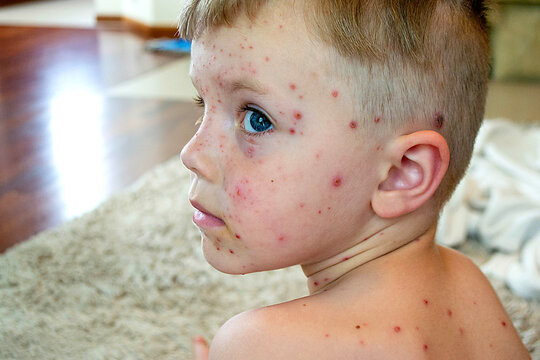
Unlike cold sores, chickenpox produces hundreds of itchy blisters over much of the body.
Symptoms of Chickenpox
Common symptoms include:
- Fever
- Headache
- Fatigue
- Loss of appetite
- Itchy rash
- Red spots
- Fluid-filled blisters
- Crusts
One of the most recognizable features is that red spots, blisters, and crusted lesions are all present at the same time.
The rash usually begins on the:
- Chest
- Back
- Face
before spreading to the arms and legs.
Is Chickenpox Contagious?
Yes.
Chickenpox is one of the most contagious viral illnesses.
It spreads through:
- Coughing
- Sneezing
- Respiratory droplets
- Direct contact with blister fluid
People are usually contagious from 1–2 days before the rash appears until every blister has crusted over.
Shingles (Herpes Zoster)
Shingles develops when the chickenpox virus becomes active again years after the original infection.
Unlike chickenpox, shingles usually affects one nerve pathway, producing a painful rash that remains on one side of the body or face.
Pain often begins 2–5 days before the rash appears.
Symptoms of Shingles
Common symptoms include:
- Burning pain
- Tingling
- Itching
- Sensitivity to touch
- Blistering rash
- Fever
- Fatigue
- Headache
The rash rarely crosses the body’s midline.
Postherpetic Neuralgia (PHN)
One of the most common complications of shingles is postherpetic neuralgia (PHN).
This condition causes persistent nerve pain that continues for months or even years after the rash has healed.
Older adults have the greatest risk.
Early antiviral treatment reduces the likelihood of developing PHN.
Shingles Around the Eye
Shingles affecting the eye (herpes zoster ophthalmicus) is a medical emergency.
Without prompt treatment it may lead to:
- Corneal damage
- Vision loss
- Glaucoma
- Chronic eye pain
Seek immediate medical care if shingles affects:
- The eyelid
- The eye
- The forehead
- The tip of the nose (Hutchinson’s sign)
Can You Get Shingles Without Having Chickenpox?
No.
Shingles develops when the varicella-zoster virus already present in the body becomes active again.
Most people develop shingles because they had chickenpox earlier in life, even if they do not remember the infection.
Cold Sores vs Chickenpox vs Shingles Symptoms
| Feature | Cold Sores | Chickenpox | Shingles |
|---|---|---|---|
| Virus | HSV-1 | VZV | Reactivated VZV |
| Blisters | Small grouped blisters | Hundreds of itchy blisters | Painful blisters along one nerve |
| Usually one side only | No | No | Yes |
| Pain | Mild | Mild | Often severe |
| Itching | Mild | Severe | Moderate |
| Fever | Sometimes | Common | Sometimes |
| Recurs | Yes | No | Usually once |
| Vaccine | No | Yes | Yes |
Are They Contagious?
| Condition | Contagious? | How It Spreads | When Most Contagious |
|---|---|---|---|
| Cold sores | ✅ Yes | Saliva and direct contact | While blisters are present (and occasionally without visible sores) |
| Chickenpox | ✅ Extremely | Respiratory droplets and blister fluid | From 1–2 days before the rash until all lesions crust |
| Shingles | ⚠️ Yes | Direct contact with blister fluid | Until every blister has crusted over |
Important: People with shingles cannot give another person shingles. However, they can transmit the varicella-zoster virus, causing chickenpox in someone who has never had chickenpox or has not been vaccinated.
When Should You See a Doctor Immediately?
Seek urgent medical attention if:
- The rash involves the eye.
- Blisters spread rapidly.
- You develop high fever.
- You have a weakened immune system.
- You are pregnant.
- A newborn develops a blistering rash.
- You have severe pain.
- The rash becomes infected with pus.
- Symptoms last longer than two weeks.
Impetigo
Impetigo is a highly contagious bacterial skin infection that mainly affects infants and young children, although adults can also develop it.
It is usually caused by:
- Staphylococcus aureus
- Streptococcus pyogenes (Group A Streptococcus)
The infection affects the superficial layers of the skin and commonly develops after minor skin damage caused by cuts, insect bites, eczema, or scratching.
Symptoms of Impetigo
Typical symptoms include:
- Small red sores or blisters
- Blisters that burst easily
- Golden or honey-colored crusts (a classic feature)
- Mild itching
- Mild discomfort
- Occasionally swollen lymph nodes
Impetigo most commonly affects:
- Around the nose
- Around the mouth
- Chin
- Hands
- Arms
- Legs
Unlike cold sores, impetigo usually does not begin with tingling or burning.
Bullous and Non-Bullous Impetigo
There are two main types of impetigo.
Non-Bullous Impetigo
This is the most common form.
It begins as small blisters that rupture quickly, leaving the typical honey-colored crusts.
Bullous Impetigo
Bullous impetigo causes larger fluid-filled blisters that remain intact longer before rupturing.
It is usually caused by certain strains of Staphylococcus aureus that produce toxins affecting the upper layers of the skin.
How Does Impetigo Spread?
Impetigo spreads easily through:
- Direct skin contact
- Scratching infected skin
- Towels
- Clothing
- Bedding
- Sports equipment
Children often spread impetigo in:
- Schools
- Nurseries
- Day-care centers
What Is Staphylococcus aureus?
Staphylococcus aureus is a bacterium that normally lives on the skin and inside the nose of many healthy people without causing disease.
Problems occur when it enters damaged skin through:
- Small cuts
- Scratches
- Eczema
- Insect bites
- Shaving
- Surgical wounds
Depending on how deeply it spreads, it may cause:
- Impetigo
- Folliculitis
- Boils
- Carbuncles
- Cellulitis
- Skin abscesses
Folliculitis
Folliculitis is an infection or inflammation of one or more hair follicles.
It usually appears as multiple small red bumps or tiny pus-filled pimples around hair follicles.
Folliculitis may be caused by:
- Staphylococcus aureus
- Friction
- Sweating
- Shaving
- Tight clothing
- Hot tubs (caused by Pseudomonas aeruginosa, often called “hot-tub folliculitis”)
Symptoms of Folliculitis
- Small red bumps
- Tiny white pustules
- Mild itching
- Mild tenderness
- Inflamed hair follicles
Unlike boils, folliculitis is usually superficial and less painful.
Boils (Furuncles)
A boil, also called a furuncle, is a deep bacterial infection of a hair follicle, usually caused by Staphylococcus aureus.
Boils contain pus and are significantly more painful than folliculitis.
Common locations include:
- Face
- Neck
- Armpits
- Buttocks
- Groin
- Thighs
Symptoms of a Boil
Typical symptoms include:
- Painful red lump
- Swelling
- Warmth
- Tenderness
- White or yellow pus-filled center
- Drainage of pus as the boil heals
Some people also develop:
- Fever
- Swollen lymph nodes
especially if the infection is extensive.
Carbuncles
Sometimes several boils merge together beneath the skin, forming a carbuncle.
Carbuncles are:
- Larger
- Deeper
- More painful
- More likely to cause fever
- More likely to require medical treatment
Skin Abscesses
A skin abscess is a localized collection of pus beneath the skin.
Although boils are a type of abscess, larger abscesses may develop independently and often require incision and drainage by a healthcare professional.
Attempting to squeeze or puncture an abscess at home can worsen the infection or spread bacteria to surrounding tissues.
Cellulitis
Cellulitis is a deep bacterial infection of the skin and underlying soft tissues.
Unlike impetigo or boils, cellulitis usually causes diffuse redness and swelling rather than localized blisters or pus-filled lesions.
Without treatment, cellulitis can spread rapidly and occasionally lead to serious complications.
Symptoms of Cellulitis
Common symptoms include:
- Rapidly spreading redness
- Swelling
- Warmth
- Pain
- Fever
- Chills
- Tender skin
Unlike shingles, cellulitis usually does not follow a nerve distribution.
MRSA (Methicillin-Resistant Staphylococcus aureus)
Some strains of Staphylococcus aureus have become resistant to commonly used antibiotics.
These bacteria are known as Methicillin-Resistant Staphylococcus aureus (MRSA).
MRSA can cause:
- Boils
- Abscesses
- Wound infections
- Cellulitis
Treatment depends on the location and severity of the infection and may require drainage, specific antibiotics, or both.
Good hygiene, covering draining wounds, and avoiding the sharing of towels, razors, or personal items help reduce the spread of MRSA.
Viral vs Bacterial Skin Infections
| Feature | Viral Skin Infections | Bacterial Skin Infections |
|---|---|---|
| Common examples | Cold sores, chickenpox, shingles | Impetigo, boils, cellulitis |
| Cause | Viruses | Bacteria |
| Pus | Rare | Common |
| Honey-colored crust | No | Typical of impetigo |
| Antibiotics | ❌ Not effective | ✅ Often required |
| Antiviral medicines | ✅ Sometimes | ❌ Not effective |
| Fever | Sometimes | Sometimes |
| Recurrence | Possible | Possible |
Which Skin Infections Are Contagious?
| Condition | Contagious? | How It Spreads | Can It Return? |
|---|---|---|---|
| Cold sores | ✅ Yes | Saliva, kissing, close contact | ✅ Frequently |
| Chickenpox | ✅ Very contagious | Respiratory droplets and blister fluid | ❌ Usually once |
| Shingles | ⚠️ Yes | Blister fluid (can transmit chickenpox to susceptible people) | Occasionally |
| Impetigo | ✅ Very contagious | Skin contact and contaminated objects | Yes |
| Folliculitis | ⚠️ Sometimes | Depends on the cause; bacterial forms may spread through close contact or contaminated equipment | Yes |
| Boils | ⚠️ Sometimes | Contact with pus or contaminated personal items | Yes |
| Carbuncles | ⚠️ Sometimes | Contact with drainage | Yes |
| Cellulitis | ❌ Usually not | Usually develops from bacteria entering broken skin rather than spreading directly between people | May recur in susceptible individuals |
How Can You Tell the Difference?
| Condition | Pain | Itching | Blisters | Pus | Honey-Colored Crust | One Side Only | Main Cause |
|---|---|---|---|---|---|---|---|
| Cold sore | Mild | Mild | ✅ | Rare | ❌ | ❌ | HSV |
| Chickenpox | Mild | Severe | ✅ | Rare | ❌ | ❌ | VZV |
| Shingles | Severe | Moderate | ✅ | Rare | ❌ | ✅ | Reactivated VZV |
| Impetigo | Mild | Mild | Sometimes | Sometimes | ✅ Typical | ❌ | Bacteria |
| Folliculitis | Mild | Mild | ❌ | Small pustules | ❌ | ❌ | Bacteria |
| Boil | Moderate–severe | Rare | ❌ | ✅ Typical | ❌ | ❌ | Bacteria |
| Cellulitis | Moderate | Rare | ❌ | Rare | ❌ | ❌ | Bacteria |
When Should You Seek Medical Attention?
Consult your healthcare professional promptly if:
- A skin infection spreads rapidly.
- You develop fever or chills.
- A boil becomes larger than 2–3 cm.
- Multiple boils appear.
- Pus continues to drain for several days.
- Red streaks develop around the infection.
- The infection is close to the eye.
- The affected skin becomes increasingly painful, swollen, or warm.
- You have diabetes, poor circulation, or a weakened immune system.
- A newborn or young infant develops a blistering or pus-filled rash.
Treatment of Common Skin Infections
Treatment depends on the cause of the infection.
- Viral infections such as cold sores and shingles may require antiviral medicines.
- Bacterial infections such as impetigo, boils, or cellulitis may require antiseptics or antibiotics.
- Supportive care, pain relief, and good skin hygiene are also important.
Never use antibiotics to treat viral infections, and never use antiviral medicines to treat bacterial infections.
Cold Sores (HSV): Treatment
Most cold sores heal within 7–14 days, even without treatment.
However, starting treatment as early as possible—preferably during the tingling or burning stage—may shorten the duration of symptoms and reduce the severity of the outbreak.
Antiviral Medicines
Prescription antiviral medicines include:
- Acyclovir
- Valacyclovir
- Famciclovir
These medicines work best within 48 hours of symptom onset, ideally before blisters develop.
For people who experience frequent recurrences, a healthcare professional may recommend long-term suppressive antiviral therapy.
Cold Sore Creams
Antiviral creams containing aciclovir may slightly shorten healing time if applied early and frequently.
Lip balms containing sunscreen may help reduce outbreaks triggered by sun exposure.
Shingles (Herpes Zoster): Treatment
Early treatment is essential.
Antiviral medicines are most effective when started within 72 hours after the rash appears, although they may still be beneficial later in selected cases, especially if new blisters are forming or the eyes are involved.
Treatment aims to:
- Reduce the severity of the infection.
- Shorten recovery time.
- Lower the risk of postherpetic neuralgia (persistent nerve pain).
Antiviral Medicines
Doctors may prescribe:
- Acyclovir
- Valacyclovir
- Famciclovir
The choice depends on the patient’s age, kidney function, medical history, and local prescribing guidelines.
Pain Relief
Pain may be mild or severe.
Depending on the severity, treatment may include:
- Paracetamol (acetaminophen)
- Ibuprofen (if appropriate)
- Prescription pain medicines
- Medicines for nerve pain (for example, gabapentin or pregabalin in selected patients)
Persistent nerve pain should always be assessed by a healthcare professional.
Can Vitamin B Complex or Magnesium Support Nerve Health?
Both cold sores (HSV) and shingles (VZV) infect sensory nerves, where the viruses remain dormant after the initial infection. Because these viruses involve the nervous system, many people wonder whether nutrients that support nerve health may also be beneficial.
Vitamin B Complex
The B vitamins—particularly vitamin B1 (thiamine), vitamin B6 (pyridoxine), and vitamin B12 (cobalamin)—play essential roles in maintaining healthy nerves.
They contribute to:
- Normal nerve function.
- Formation and maintenance of the protective myelin sheath around nerves.
- Energy production in nerve cells.
- Normal nervous system function.
Although these vitamins do not eliminate herpes viruses or prevent outbreaks, maintaining adequate vitamin B levels supports normal nerve health and may be particularly important for people with vitamin deficiencies or conditions affecting the nervous system.
Avoid taking high doses of vitamin B6 for prolonged periods, as excessive intake can itself cause peripheral neuropathy.
Magnesium
Magnesium is involved in hundreds of enzymatic reactions and contributes to:
- Normal nerve transmission.
- Normal muscle function.
- Electrolyte balance.
- Normal psychological function.
- Reduction of tiredness and fatigue.
Maintaining adequate magnesium intake supports the normal function of the nervous system. However, there is currently no convincing evidence that magnesium supplementation specifically prevents herpes simplex outbreaks or reduces nerve inflammation caused by herpes viruses.
💊 Pharmacist’s Tip
If someone has recurrent herpes simplex with persistent tingling, burning, or numbness, especially if symptoms last beyond the usual outbreak, they should be evaluated rather than assuming it’s “just the virus.” Persistent nerve symptoms may have other causes, including vitamin B12 deficiency, diabetes, medication-related neuropathy, or other neurological conditions that deserve assessment. That keeps the article evidence-based while acknowledging the role of nerve-supporting nutrients.
My recommendation as a pharmacist:
| Supplement | Evidence for Recurrent HSV | Recommendation |
|---|---|---|
| Prescription antiviral suppression | ⭐⭐⭐⭐⭐ | Gold standard for frequent recurrences |
| Lysine | ⭐⭐⭐ | May reduce recurrences in some people |
| Vitamin D (if deficient) | ⭐⭐⭐ | Correct deficiency |
| Vitamin B12 (if deficient) | ⭐⭐⭐ | Correct deficiency; supports normal nerve function |
| Zinc (if deficient) | ⭐⭐ | Correct deficiency |
| Echinacea | ⭐ | Insufficient evidence for routine use |
| Beta-glucans | ⭐⭐ | Promising but insufficient evidence |
| Medicinal mushrooms | ⭐ | Insufficient evidence |
| Magnesium | ⭐ | Supports normal nerve function but no convincing evidence for HSV prevention |
Chickenpox: Treatment
Most healthy children recover without specific antiviral treatment.
Treatment focuses on relieving symptoms and preventing complications.
Helpful measures include:
- Plenty of fluids
- Rest
- Keeping fingernails short
- Wearing loose clothing
- Avoiding scratching to reduce the risk of bacterial skin infection
Calamine lotion or other soothing skin preparations may help relieve itching.
In selected higher-risk individuals—such as some adults, pregnant women, or people with weakened immune systems—antiviral medicines may be recommended.
Children should not receive aspirin during chickenpox because of the risk of Reye’s syndrome, a rare but serious condition affecting the liver and brain.
Impetigo: Treatment
Treatment depends on how extensive the infection is.
Small, localized areas may be treated with a topical antiseptic or antibiotic, while more widespread or severe infections may require oral antibiotics according to current medical guidance and local antibiotic resistance patterns.
Keeping the affected area clean and avoiding scratching helps prevent the spread of infection.
Children can usually return to school or daycare 24–48 hours after starting appropriate antibiotic treatment, provided they feel well and local public health recommendations are followed.
Folliculitis: Treatment
Mild folliculitis often improves without antibiotics.
Helpful measures include:
- Gentle cleansing
- Warm compresses
- Avoiding shaving until healed
- Wearing loose clothing
- Keeping the area dry
Persistent or recurrent folliculitis may require topical or oral antibiotics, depending on the underlying cause.
Boils (Furuncles): Treatment
Small boils often drain naturally after several days.
Applying warm, moist compresses for 10–15 minutes, three or four times daily may help promote drainage and reduce discomfort.
Do not squeeze, puncture, or attempt to drain a boil yourself, as this can spread the infection and increase the risk of complications.
Large, painful, or persistent boils may require incision and drainage by a healthcare professional. Antibiotics are not always necessary but may be prescribed if there is surrounding cellulitis, fever, multiple boils, or certain risk factors such as diabetes or a weakened immune system.
Cellulitis: Treatment
Cellulitis almost always requires medical assessment.
Treatment usually includes:
- Oral antibiotics for mild to moderate cases.
- Intravenous antibiotics for severe infections.
- Rest and elevation of the affected limb when appropriate.
- Monitoring for worsening redness, swelling, or fever.
Prompt treatment is important because untreated cellulitis can spread rapidly.
Can Supplements Help?
Supplements cannot cure skin infections, but correcting nutritional deficiencies and supporting normal immune function may aid recovery in some people.
They should never replace prescribed antiviral or antibiotic treatment.
Lysine
Lysine is one of the most popular supplements for recurrent cold sores.
Some studies suggest that regular lysine supplementation may reduce the frequency or severity of recurrent outbreaks in some individuals, while others have shown little or no benefit.
Overall, the evidence is mixed, and lysine is not recommended as a replacement for antiviral medicines. It may be considered as a complementary option for people with frequent recurrences after discussing it with a healthcare professional.
Zinc
Zinc plays an important role in:
- Normal immune function.
- Wound healing.
- Skin repair.
People with zinc deficiency may be more susceptible to infections and slower wound healing.
Some studies suggest that topical or oral zinc may support the healing of cold sores, although results have been inconsistent.
Routine zinc supplementation is not necessary for everyone, but correcting a deficiency is important.
Vitamin C
Vitamin C contributes to:
- Normal immune function.
- Collagen formation.
- Healthy skin.
- Wound healing.
Although vitamin C is essential for overall health, there is no convincing evidence that high-dose vitamin C prevents or cures viral or bacterial skin infections.
Meeting the recommended daily intake through diet or supplements when needed is generally sufficient.
Vitamin D
Vitamin D plays an important role in regulating immune function.
Some studies have found an association between low vitamin D levels and an increased risk of certain infections, but it remains unclear whether supplementation directly reduces the risk of cold sores, shingles, or bacterial skin infections in people with normal vitamin D levels.
People with confirmed vitamin D deficiency should receive appropriate treatment according to medical advice.
Propolis
Propolis is a resin-like substance produced by bees and has been studied for its antimicrobial and anti-inflammatory properties.
Some topical propolis preparations have shown promising results in small studies for reducing healing time in cold sores. However, the evidence is still limited, and propolis should be considered a complementary option rather than a standard treatment.
People with allergies to bee products should avoid propolis.
Echinacea
Echinacea is one of the most widely used herbal supplements for immune support.
Laboratory studies suggest that echinacea may influence certain immune responses, but clinical studies have produced inconsistent results. At present, there is no convincing evidence that echinacea prevents recurrent cold sores or shingles.
Some people choose to use echinacea during upper respiratory tract infections, but its role in preventing recurrent herpes virus infections remains uncertain.
People with autoimmune diseases, those taking immunosuppressive medications, or individuals with allergies to plants in the daisy family (Asteraceae) should consult their healthcare professional before using echinacea.
Probiotics
The gut microbiome plays an important role in immune regulation.
Some studies suggest that specific probiotic strains may support immune function and reduce the frequency of certain respiratory infections. However, there is currently insufficient evidence to recommend probiotics specifically for preventing recurrent herpes simplex or shingles.
Echinacea is one of the most widely used herbal supplements for immune support.
Laboratory studies suggest that echinacea may influence certain immune responses, but clinical studies have produced inconsistent results. At present, there is no convincing evidence that echinacea prevents recurrent cold sores or shingles.
Some people choose to use echinacea during upper respiratory tract infections, but its role in preventing recurrent herpes virus infections remains uncertain.
People with autoimmune diseases, those taking immunosuppressive medications, or individuals with allergies to plants in the daisy family (Asteraceae) should consult their healthcare professional before using echinacea.
Beta-Glucans
Beta-glucans are natural polysaccharides found in yeast, oats, barley, and certain mushrooms.
They may help support the normal activity of immune cells such as macrophages, neutrophils, and natural killer (NK) cells, which play a role in the body’s defense against infections.
Although beta-glucans have shown promising effects in some studies involving respiratory infections, evidence for preventing recurrent herpes simplex or shingles is currently limited.
Medicinal Mushrooms
Medicinal mushrooms such as:
- Reishi (Ganoderma lucidum)
- Shiitake (Lentinula edodes)
- Maitake (Grifola frondosa)
contain compounds that may influence immune function.
While laboratory and animal studies are encouraging, high-quality clinical evidence supporting their routine use for preventing herpes virus recurrences is currently insufficient.
Vaccination
Vaccination is one of the most effective ways to prevent certain viral skin infections and their complications.
Chickenpox Vaccine
The chickenpox vaccine protects against primary infection with the varicella-zoster virus and significantly reduces the risk of severe disease and complications.
It is included in the routine childhood immunization schedule in many countries.
Shingles Vaccine (Shingrix®)
The recombinant shingles vaccine (Shingrix®) is recommended in many countries for:
- Adults aged 50 years and older.
- Younger adults with certain medical conditions or weakened immune systems, according to national recommendations.
Vaccination greatly reduces the risk of shingles and postherpetic neuralgia, although it does not completely eliminate the possibility of developing shingles.
Healthy Lifestyle Matters Most
For many people with recurrent cold sores, lifestyle measures may be just as important as supplements.
These include:
- Getting enough sleep.
- Managing stress.
- Eating a balanced diet.
- Exercising regularly.
- Protecting the lips from excessive sun exposure.
- Treating nutritional deficiencies when present.
Which Treatment Is Used for Each Infection?
| Condition | Antiviral | Antibiotic | OTC Care | Vaccine Available |
|---|---|---|---|---|
| Cold sores | ✅ Yes | ❌ No | Lip patches, pain relief | ❌ |
| Chickenpox | ⚠️ Selected patients | ❌ No | Calamine lotion, fluids | ✅ Yes |
| Shingles | ✅ Yes (start early) | ❌ No | Pain relief | ✅ Yes (Shingrix®) |
| Impetigo | ❌ No | ✅ Yes, when indicated | Gentle cleansing | ❌ |
| Folliculitis | ❌ No | Sometimes | Warm compresses | ❌ |
| Boils | ❌ No | Sometimes | Warm compresses | ❌ |
| Cellulitis | ❌ No | ✅ Yes | ❌ | ❌ |
Amazon Products That May Help
⭐ Cold Sore Patches
Help protect cold sores while promoting a moist healing environment and reducing irritation.
⭐ Calamine Lotion
May help relieve itching associated with chickenpox and other itchy skin conditions.
⭐ Warm Compress Gel Pack
Useful for boils to promote natural drainage and relieve discomfort.
- 2-Pack Gel Ice Packs for Injuries Reusable, Hot & Cold Pack
- Hot/Cold Reusable Gel Bead Pack
- Round Gel Ice Pack, Hot & Cold Compress Reusable
⭐ Antiseptic Skin Wash
May help reduce bacterial skin colonization when recommended by a healthcare professional.
- Hibiclens – Antimicrobial and Antiseptic Soap and Skin Cleanser
- Antibacterial Body Wash for Back Acne, Body Odor & Skin Irritation
⭐ Broad-Spectrum SPF Lip Balm
May help reduce cold sore recurrences triggered by sun exposure.
- Panama Jack Sunscreen Lip Balm – SPF 45
- Banana Boat Sport Lip Sunscreen SPF 50
- Sun Bum SPF 30 Sunscreen Lip Balm
💊 Pharmacist’s Tip
One of the most common mistakes is treating every blister or crust with the same cream. Cold sores, shingles, impetigo, and boils can look similar but require very different treatments. Antiviral creams will not treat bacterial infections, and antibiotics do not work against viruses. If you develop a painful blistering rash on one side of the body, seek medical advice promptly because antiviral treatment for shingles is most effective when started early. Likewise, increasing redness, warmth, pus, or fever may indicate a bacterial infection that requires medical assessment.
Skin Infections in Children
Children are more likely than adults to develop certain skin infections because their immune systems are still developing and they have close contact with other children at school or daycare.
The most common infectious skin conditions in children include:
- Chickenpox
- Impetigo
- Cold sores
- Molluscum contagiosum (future article)
- Folliculitis
- Boils
Parents should monitor children closely for:
- Fever
- Rapidly spreading redness
- Increasing pain
- Pus
- Swelling around the eyes
- Poor feeding
- Unusual sleepiness
- Signs of dehydration
Children with suspected impetigo should avoid close contact with other children until 24–48 hours after starting appropriate antibiotic treatment, or according to local public health guidance.
Children with chickenpox should remain at home until all blisters have crusted over.
Children should never receive aspirin during chickenpox because of the risk of Reye’s syndrome, a rare but serious condition that can affect the liver and brain.
Parents should encourage children to:
- Wash their hands regularly.
- Avoid scratching blisters or sores.
- Keep fingernails short.
- Avoid sharing towels, face cloths, hats, lip balm, or drinking bottles.
Chickenpox: Treatment
Most healthy children recover without specific antiviral treatment.
Treatment focuses on relieving symptoms and preventing complications.
Helpful measures include:
- Plenty of fluids
- Rest
- Keeping fingernails short
- Wearing loose clothing
- Avoiding scratching to reduce the risk of bacterial skin infection
Calamine lotion or other soothing skin preparations may help relieve itching.
In selected higher-risk individuals—such as some adults, pregnant women, or people with weakened immune systems—antiviral medicines may be recommended.
Children should not receive aspirin during chickenpox because of the risk of Reye’s syndrome, a rare but serious condition affecting the liver and brain.
Skin Infections During Pregnancy
Pregnant women should consult their healthcare professional if they develop a blistering or widespread skin infection.
Special attention is needed if a pregnant woman develops:
- Chickenpox
- Shingles
- Extensive herpes infection
- Cellulitis
- Large boils with fever
Chickenpox during pregnancy can occasionally cause serious complications for both the mother and baby, particularly if infection occurs early in pregnancy or shortly before delivery.
Cold sores generally pose little risk during pregnancy unless the newborn comes into direct contact with active lesions after birth.
Pregnant women should avoid self-medicating with antiviral medicines or antibiotics unless advised by their healthcare professional.
Can These Skin Infections Be Prevented?
Although not every infection can be prevented, several measures reduce the risk.
Reduce the Risk of Viral Infections
- Wash your hands regularly.
- Avoid kissing someone with an active cold sore.
- Do not share lip balm, razors, towels, or drinking glasses.
- Use sunscreen on the lips if sunlight triggers cold sores.
- Consider shingles vaccination if eligible.
Reduce the Risk of Bacterial Infections
- Wash cuts and scrapes promptly.
- Keep wounds clean and covered.
- Avoid scratching insect bites.
- Treat eczema appropriately to reduce skin damage.
- Do not share towels or razors.
- Shower after contact sports.
- Keep skin folds clean and dry.
How Can You Reduce the Spread to Others?
If you have an active skin infection:
- Wash your hands frequently.
- Cover draining wounds whenever possible.
- Avoid touching or picking blisters.
- Do not squeeze boils.
- Wash towels, bedding, and clothing regularly.
- Do not share personal items.
- Stay home from school, daycare, or work if advised by your healthcare professional or local public health guidance.
💊 Pharmacist’s Tip
Many skin infections look surprisingly similar during the early stages. A cold sore may resemble impetigo, while shingles can initially be mistaken for a simple rash. One of the biggest mistakes is using leftover antibiotic creams for viral infections or antiviral creams for bacterial infections. If a skin lesion becomes increasingly painful, spreads rapidly, produces pus, affects the eye, or is accompanied by fever, it should be assessed by a healthcare professional promptly. Early treatment is particularly important for shingles, cellulitis, and extensive bacterial infections.
Are cold sores contagious?
Yes. Cold sores spread through direct contact with saliva or the fluid inside the blisters. The risk of transmission is highest while blisters or open sores are present, although the virus can occasionally spread even when no visible sore is present.
Can I catch shingles from someone else?
No. You cannot “catch” shingles itself.
However, direct contact with the fluid from shingles blisters can transmit the varicella-zoster virus, causing chickenpox in someone who has never had chickenpox or has not been vaccinated.
Is chickenpox more serious in adults?
Yes.
Adults often develop more severe illness and are at greater risk of complications such as pneumonia compared with young children.
Can impetigo go away without antibiotics?
Very mild cases may occasionally improve with good skin hygiene, but many people benefit from topical or oral antibiotics. Medical assessment is recommended, particularly in children or if the infection is spreading.
Should I squeeze a boil?
No.
Squeezing a boil can force bacteria deeper into the skin and increase the risk of spreading the infection. Warm compresses may encourage natural drainage, while large or painful boils should be evaluated by a healthcare professional.
Can shingles come back?
Yes.
Although most people develop shingles only once, recurrence is possible, particularly in older adults or people with weakened immune systems.
Can I go to work with a cold sore?
In most cases, yes.
However, avoid close physical contact, kissing, and sharing personal items while the sore is active. Healthcare workers and people caring for vulnerable patients should follow workplace infection-control policies.
Can stress trigger cold sores?
Yes.
Stress, illness, fatigue, hormonal changes, and excessive sun exposure are common triggers for recurrent cold sores.
When should I worry about a skin infection?
Seek medical attention if:
The infection spreads rapidly.
You develop fever or chills.
The rash involves the eye.
The lesion produces a large amount of pus.
Pain becomes severe.
The affected skin becomes increasingly swollen, warm, or red.
You have diabetes or a weakened immune system.
Symptoms do not improve despite appropriate treatment.
Are antibiotics always necessary?
No.
Antibiotics are only effective against bacterial infections. Viral infections such as cold sores, chickenpox, and shingles do not respond to antibiotics unless a secondary bacterial infection develops.
Can supplements prevent skin infections?
A balanced diet that provides adequate vitamins and minerals supports normal immune function. However, supplements alone have not been proven to prevent most viral or bacterial skin infections, and they should not replace recommended medical treatments or vaccinations.
Clinical Disclaimer
This article is intended for educational purposes only and should not replace professional medical advice. Consult your healthcare professional if you develop a rapidly spreading rash, severe pain, high fever, pus-filled lesions, swelling around the eyes, signs of dehydration, or symptoms that do not improve with appropriate treatment. Seek urgent medical attention if shingles affects the eye, if cellulitis is suspected, or if a newborn develops a blistering skin rash.
Related Articles
- Why Do I Have a Skin Rash? Common Causes, Symptoms & Treatment
- Why Do I Keep Getting Pimples?
- What Are These Spots on My Skin?
- Should I Be Worried About This Mole?
- Vitamin C: Benefits, Dosage, Side Effects & Interactions
- Best Supplements for Immunity: What Works and How to Choose (Evidence-Based Guide)
- Best Immune Supplements for Children (2026): Safe & Evidence-Based Guide
- Probiotics: Benefits, Best Strains, Side Effects & Interactions
References
- American Academy of Dermatology (AAD). Cold Sores, Impetigo, Cellulitis and Boils.
- Centers for Disease Control and Prevention (CDC). Chickenpox (Varicella).
- Centers for Disease Control and Prevention (CDC). Shingles (Herpes Zoster).
- National Institute for Health and Care Excellence (NICE). Herpes Simplex Infection, Impetigo, Cellulitis and Skin Infections.
- Infectious Diseases Society of America (IDSA). Clinical Practice Guidelines for Skin and Soft Tissue Infections.
- European Academy of Dermatology and Venereology (EADV). Guidelines for the Management of Common Skin Infections.
- MSD Manual Professional Edition. Viral and Bacterial Skin Infections.