Cortisol and Sleep: How Stress Hormones Affect Your Sleep Quality
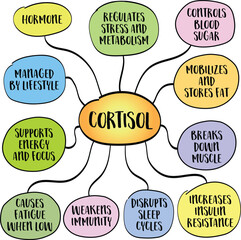
Cortisol is the body’s primary stress hormone and plays an important role in regulating energy levels, metabolism, and the sleep-wake cycle. While cortisol is essential for normal body function, abnormal cortisol levels can disrupt sleep quality and lead to insomnia or nighttime awakenings.
Understanding how cortisol affects sleep helps explain why stress often causes sleep problems and how balancing stress hormones may improve rest.
Here is what science says about cortisol and sleep.
What Is Cortisol?
Cortisol is a hormone produced by the adrenal glands in response to stress. It is controlled by the hypothalamic-pituitary-adrenal (HPA) axis, which regulates the body’s stress response.
Cortisol helps:
- Regulate metabolism
- Control inflammation
- Manage stress response
- Maintain energy levels
- Regulate the sleep-wake cycle
Healthy cortisol levels follow a natural daily rhythm.
The Cortisol Sleep Cycle (Circadian Rhythm)
Cortisol levels change throughout the day.
Normal pattern:
- Morning: Cortisol is highest to help you wake up and feel alert
- Afternoon: Levels gradually decline
- Night: Cortisol is lowest to allow sleep
This rhythm supports healthy sleep timing and energy balance.
When cortisol patterns are disrupted, sleep problems may occur.
How High Cortisol Disrupts Sleep
Chronic stress can raise cortisol levels at night when they should be low. Elevated nighttime cortisol can:
- Make it difficult to fall asleep
- Cause frequent waking
- Reduce deep sleep quality
- Increase restlessness
- Cause early morning awakening
High cortisol keeps the body in an alert state rather than a relaxed sleep state.
Symptoms of High Nighttime Cortisol
You may have elevated nighttime cortisol if you experience:
- Difficulty falling asleep despite fatigue
- Waking around 2–4 AM
- Racing thoughts at night
- Feeling “wired but tired”
- Poor sleep quality
- Daytime fatigue
Stress and anxiety are common contributors.
See:
- Magnesium and Cortisol
- Stress and Hair Loss
How Poor Sleep Raises Cortisol
The relationship between cortisol and sleep is bidirectional.
Poor sleep may:
- Increase cortisol levels
- Increase stress sensitivity
- Worsen anxiety
- Reduce emotional regulation
This can create a cycle of stress and sleep disturbance.
How to Lower Cortisol for Better Sleep
Manage Stress
Reducing stress helps normalize cortisol levels.
Helpful methods:
- Relaxation techniques
- Meditation or breathing exercises
- Regular physical activity
- Healthy work-life balance
Support Nutritional Balance
Some nutrients support stress regulation.
Magnesium
- Supports relaxation
- Helps regulate stress response
- Supports nervous system balance
See:
Vitamin D
Supports mood and nervous system health.
Maintain Healthy Sleep Habits
Improve sleep quality by:
- Keeping a consistent sleep schedule
- Avoiding caffeine late in the day
- Limiting evening screen exposure
- Creating a relaxing bedtime routine
See:
Can Supplements Help Lower Cortisol?
Some supplements may support cortisol balance and sleep quality.
Common options include:
- Magnesium
- Ashwagandha
- L-theanine
See:
Supplements work best with lifestyle changes.
When to See a Doctor
Consult a healthcare professional if:
- Sleep problems persist
- Insomnia is severe
- You experience chronic fatigue
- Symptoms affect daily life
Medical conditions may require evaluation.
Final Thoughts
Cortisol plays a crucial role in regulating the sleep-wake cycle. Elevated stress and high nighttime cortisol can disrupt sleep quality and contribute to insomnia. Managing stress, maintaining healthy sleep habits, and supporting nervous system balance help restore normal sleep patterns.
Balanced cortisol levels support both restful sleep and overall health.