Digestive Enzymes and Supplements for Stomach Problems: What Helps and How to Choose
Digestive issues such as bloating, indigestion, and stomach discomfort are common and often related to how food is broken down in the digestive system.
Certain supplements, including digestive enzymes and targeted nutrients, may help improve digestion, reduce symptoms, and support overall gut function.
What causes digestive problems?
Common causes include:
- Poor digestion of food
- Low stomach acid
- Imbalance of gut bacteria
- Heavy or high-fat meals
👉 These factors may lead to bloating, discomfort, and poor nutrient absorption.
Digestive enzymes — how they work
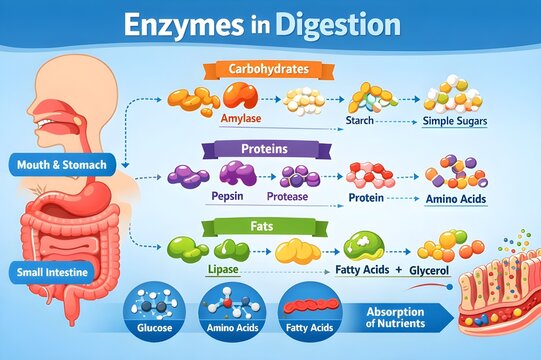
Digestive enzymes help break down food into smaller components that the body can absorb.
👉 Types of enzymes:
- Protease → breaks down protein
- Lipase → breaks down fats
- Amylase → breaks down carbohydrates
👉 Clinical benefits:
- Reduce bloating after meals
- Improve digestion
- Support nutrient absorption
👉 Best for:
- Indigestion
- Heavy meals
- Feeling “full” after eating
More on the topic here:
- Best Digestive Enzymes for Bloating and Indigestion: How to Choose the Right One
- Best Supplements for Gut Health: What to Take and How to Choose
Evidence-based supplements for stomach problems
Digestive Enzymes — Best for Indigestion
👉 Help break down food
👉 Reduce post-meal discomfort
👉 Most effective when taken with meals
For more information see:
- Best Digestive Enzymes for Bloating and Indigestion: How to Choose the Right One
- Best Supplements for Gut Health: What to Take and How to Choose
- Supplements That Affect the Absorption of Other Supplements (What to Avoid and What to Combine)
Betaine HCl — Support for Low Stomach Acid
👉 Mechanism:
- Increases stomach acidity
👉 Clinical benefits:
- Improves protein digestion
- Reduces bloating related to low acid
👉 Best for:
- Feeling full quickly
- Poor digestion of protein
👉 Important:
- Not suitable for people with gastritis or ulcers
Mastic Gum — Support for Stomach Lining
👉 Mechanism:
- Supports stomach mucosa
- May reduce harmful bacteria
👉 Clinical benefits:
- Helps with stomach discomfort
- Supports upper digestive health
👉 Potential use for:
- Gastritis
- Stomach irritation
Look also for:
Probiotics — Support for Gut Balance
👉 Mechanism:
- Restore beneficial bacteria
👉 Clinical benefits:
- Reduce bloating
- Improve digestion
For more information see:
- Probiotics: Benefits, Best Strains, Uses, Side Effects and Interactions
- Probiotics for Bloating and Gas: What Works and What to Avoid
Ginger — Natural Digestive Support
👉 Mechanism:
- Stimulates digestion
- Supports gastric emptying
👉 Clinical benefits:
- Reduces nausea
- Improves digestion
Magnesium — Support for Gut Motility
👉 Mechanism:
- Supports intestinal movement
👉 Clinical benefits:
- Helps constipation
- Improves bowel function
All on Magnesium here:
Which supplement should you choose?
👉 Based on symptoms:
- Bloating after meals → Digestive enzymes
- Heavy digestion → Betaine HCl
- Stomach irritation → Mastic gum
- General gut issues → Probiotics
- Constipation → Magnesium
Can you combine these supplements?
👉 Effective combinations:
- Digestive enzymes + meals
- Probiotics + long-term support
- Magnesium + gut motility
👉 Avoid:
- Using strong stomach acid supplements unnecessarily
Safety considerations
- Start with low doses
- Use targeted supplements only when needed
- Consider underlying conditions
Related Guides
- Best supplements for gut health
- Supplements that affect absorption
- Why supplements cause stomach pain
- Probiotics for bloating
Bottom Line
Digestive enzymes and targeted supplements such as betaine HCl, mastic gum, and probiotics may help improve digestion and reduce stomach discomfort. Choosing the right supplement depends on the underlying cause and specific symptoms.
Do digestive enzymes really work?
They may help improve digestion and reduce bloating, especially when taken with meals.
When should I take digestive enzymes?
Digestive enzymes are usually taken with meals.
What are signs you need digestive enzymes?
What are signs you need digestive enzymes?
Is betaine HCl safe?
It may help in low stomach acid but should not be used in people with ulcers or gastritis.
Can probiotics help stomach problems?
Yes, they may improve gut balance and digestion.
What helps with indigestion naturally?
Digestive enzymes, ginger, and probiotics may help.
Can supplements replace medical treatment?
No, they should support—not replace—medical care.
How long do digestive supplements take to work?
Some work quickly, while others require consistent use.
Can I take multiple digestive supplements together?
Some combinations are useful, but avoid unnecessary stacking.
Are digestive enzymes safe for daily use?
They are generally safe when used appropriately.
Clinical Note
This content is for informational purposes only and does not constitute medical advice.
Nutritional supplements may support physiological functions but are not a substitute for professional medical evaluation, diagnosis, or treatment.
If symptoms are persistent, severe, or unclear, consultation with a qualified healthcare professional is recommended.